

When it comes to building or renovating a home, one of the most important yet overlooked decisions is choosing the right type of plumbing pipe. The two most popular choices are PVC (Polyvinyl Chloride) and CPVC (Chlorinated Polyvinyl Chloride) pipes.
Both are made from PVC plastic, but their properties differ — and that difference can significantly affect your plumbing system’s safety, durability, and cost.
In this detailed guide, we’ll help you understand the difference between PVC and CPVC pipes, compare their performance, pricing, fittings, and applications, and finally decide which one suits your home water supply system best.
Table of Contents
What Are PVC Pipes?
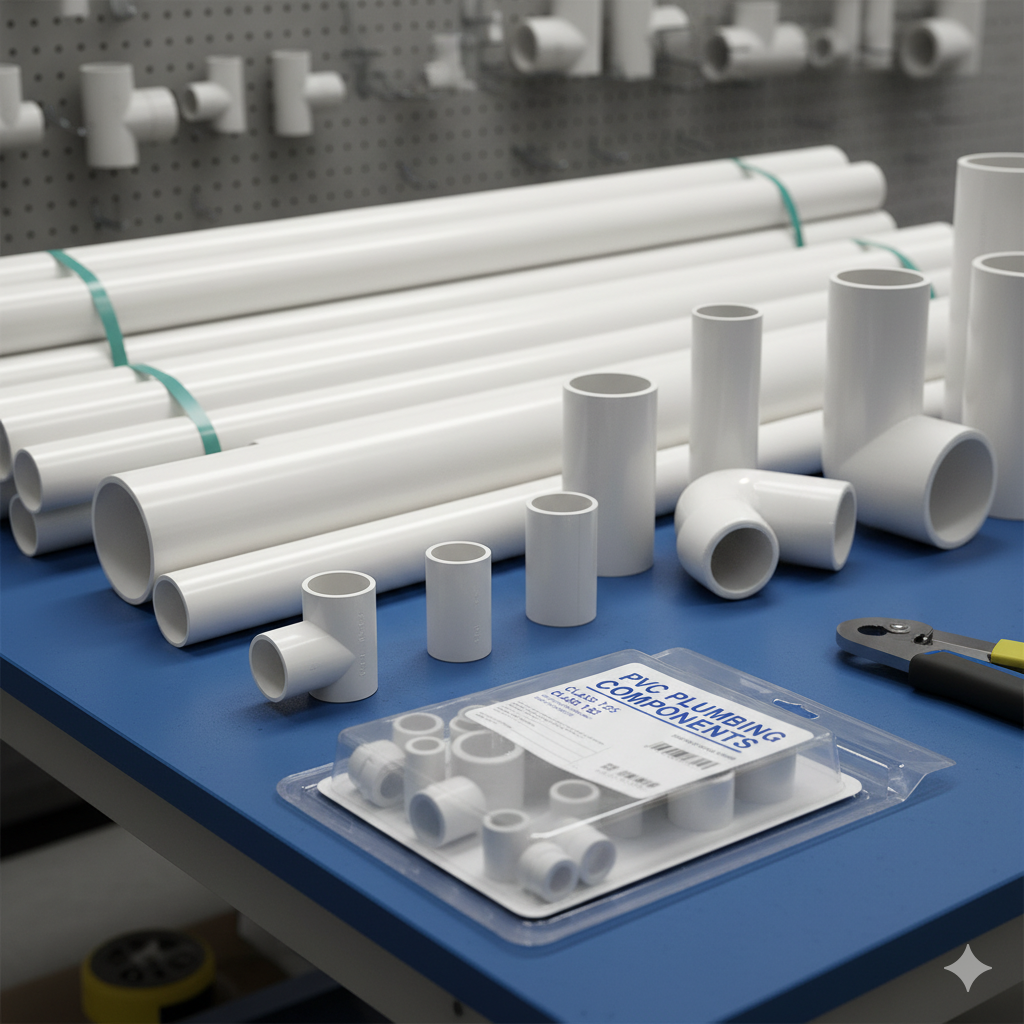
PVC stands for Polyvinyl Chloride, a durable and lightweight plastic used for a variety of plumbing applications. PVC pipes are primarily used for cold-water systems, irrigation, and drainage applications.
PVC plastic is known for being corrosion-resistant, chemical-resistant, and cost-effective, making it a popular choice for residential and agricultural pipelines. Its smooth interior surface also helps in reducing friction and ensuring smooth water flow.
At Gurukripa Pipes, our PVC pipes are manufactured using advanced extrusion technology to ensure leak-proof joints and long service life.
What Are CPVC Pipes?
CPVC, or Chlorinated Polyvinyl Chloride, is a thermoplastic material created by chlorinating PVC resin. This process improves its heat resistance and chemical stability, making CPVC suitable for hot and cold-water applications.
Unlike PVC, CPVC pipework can handle temperatures up to 93°C, making it ideal for hot water supply systems in homes, hotels, and industrial buildings.
Our GK Supreme CPVC pipes come with precision-engineered CPVC pipe fittings, including CPVC couplings, CPVC elbows, and other accessories for secure installation and high performance.
Key Difference Between PVC and CPVC Pipes
Though both PVC and CPVC belong to the same plastic family, there are several differences that affect their performance and usage.
| Features | PVC Pipes | CPVC Pipes |
|---|---|---|
| Full Form | Polyvinyl Chloride | Chlorinated Polyvinyl Chloride |
| Temperature Resistance | Up to 60°C | Up to 93°C |
| Color | White or Grey | Light Yellow or Cream |
| Applications | Cold Water, Drainage, Irrigation | Hot & Cold Water Supply |
| Cost | More Affordable | Slightly Expensive |
| Joining Method | Solvent Cement | CPVC Solvent Cement |
| Durability | Long-lasting | Higher Heat & Pressure Tolerance |
When Should You Use PVC Pipes?
PVC pipes are a great choice when your application involves cold water or non-pressure systems such as:
- Garden irrigation systems
- Rainwater drainage
- Agricultural pipelines
- Underground water distribution
PVC’s lightweight nature and low CPVC pipe price make it a preferred choice for homeowners and farmers looking for affordable plumbing solutions without compromising on quality.
At Gurukripa Pipes, our PVC plastic pipes are tested under strict quality controls to ensure durability and performance even under tough conditions.
When Should You Use CPVC Pipes?
If your water system involves hot water supply or pressurized applications, CPVC pipes are your best option.
They are ideal for:
- Domestic hot and cold water supply systems
- Industrial fluid transport
- Hotels and hospitals where temperature control is crucial
- Solar water heating systems
The superior strength and thermal resistance of CPVC make it a safe and long-lasting solution. Plus, our CPVC pipe fittings like CPVC elbows and CPVC couplings ensure a tight, leak-proof connection.
PVC and CPVC Durability and Lifespan
Both PVC and CPVC pipes are known for their long service life, but CPVC pipes offer an advantage when it comes to handling extreme temperatures and pressure.
With proper installation, PVC pipes can last up to 50 years, while CPVC pipes can last 60 years or more, depending on water quality and maintenance.
At Gurukripa Pipes, we ensure both materials are manufactured using advanced polymer technology to enhance their durability and longevity.
PVC and CPVC Installation and Maintenance
Installing PVC and CPVC pipework is simple and doesn’t require advanced tools. Both can be joined using solvent cement for leak-free connections.
However, the joining materials differ — CPVC uses a special CPVC solvent cement designed to handle higher temperatures.
Maintenance is also minimal. Regular inspection and cleaning ensure optimal performance for years. Our GK Supreme range of pipes and fittings makes installation faster and safer.
Cost Comparison: PVC vs CPVC Pipe Price
If you’re working with a limited budget, PVC pipes are more economical. However, for long-term value, CPVC pipes are worth the investment due to their strength and resistance to high temperature.
| Type | Approx. Price Range (per meter) |
|---|---|
| PVC Pipe | ₹40 – ₹80 (depending on diameter) |
| CPVC Pipe | ₹100 – ₹200 (depending on size & grade) |
(Note: Prices may vary by location and manufacturer.)
So, if your application involves only cold water, PVC is a great choice. But if you require both hot and cold water lines, CPVC pipework is the smarter, long-term solution.
PVC and CPVC Environmental Impact
Both PVC and CPVC are eco-friendly and recyclable materials. However, CPVC production involves additional chlorine content, which slightly increases its carbon footprint.
At Gurukripa Pipes, we focus on sustainable manufacturing processes that minimize waste and environmental impact, ensuring all our products are safe for both your home and the planet.
Why Gurukripa Pipes – Your Trusted Partner for Superior CPVC Pipework and PVC Solutions
Gurukripa Pipes has been a trusted name in the piping industry since 2009, delivering top-quality PVC and CPVC pipes and fittings across India.
Our GK Supreme brand stands for:
✅ Superior Quality
✅ Leak-Proof Performance
✅ Long-Lasting Durability
✅ Cost-Effective Solutions
✅ Environment-Friendly Manufacturing
Whether you’re building a new home or upgrading your plumbing system, Gurukripa Pipes offers the best PVC and CPVC pipes designed for your exact needs.

Final Verdict: PVC or CPVC — Which Is Better?
If you’re choosing between PVC and CPVC pipes, here’s the simple answer:
- Choose PVC for cold-water and agricultural applications.
- Choose CPVC for hot-water and residential plumbing systems.
Both are excellent materials, but CPVC offers better versatility and long-term reliability for home water supply systems.
Looking for strong and efficient pipes for your farm or irrigation system? Explore our durable range of Agricultural Pipes — designed for high performance, leak-proof connections, and long-lasting use in all field conditions.
FAQs
1. What is the main difference between PVC and CPVC pipes?
PVC pipes are designed for cold water applications, while CPVC pipes can handle both hot and cold water due to their higher temperature tolerance.
2. Are CPVC pipes safe for drinking water?
Yes, CPVC pipes are completely safe for drinking water. They are non-toxic and resistant to corrosion, ensuring clean water supply.
3. Can I use PVC pipes for hot water?
No. PVC pipes are not suitable for hot water as they can soften and deform above 60°C. Use CPVC pipes instead.
4. How long do CPVC pipes last?
With proper installation, CPVC pipes can last 60 years or more, offering great durability and performance.
5. What is the CPVC pipe price in India?
The CPVC pipe price generally ranges between ₹100 to ₹200 per meter, depending on size, grade, and manufacturer.
6. Which fittings are used for CPVC pipes?
CPVC couplings, CPVC elbows, tees, and adapters are commonly used for installation to ensure strong, leak-proof joints.
7. Which brand makes the best CPVC pipes in India?
Gurukripa Pipes under the brand GK Supreme is among the top manufacturers, known for quality, durability, and nationwide customer trust.